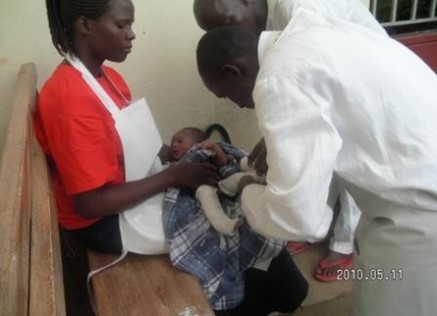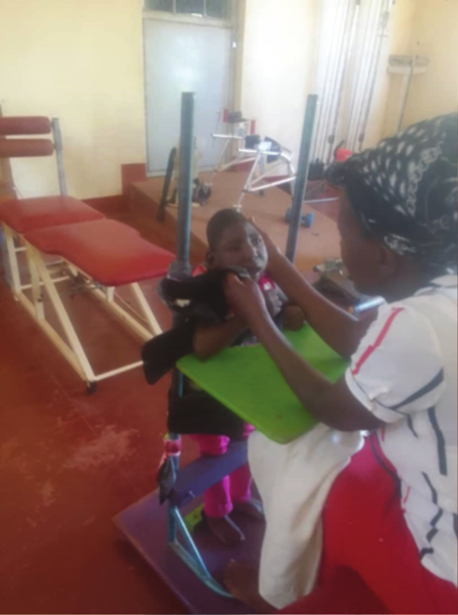
Tabica is a three-year-old girl who was born with **cerebral palsy** — a condition caused by an injury sustained during her delivery. During birth, the nerves running from her neck to her arm were torn, leaving her with impaired muscle control and limited coordination throughout her body.
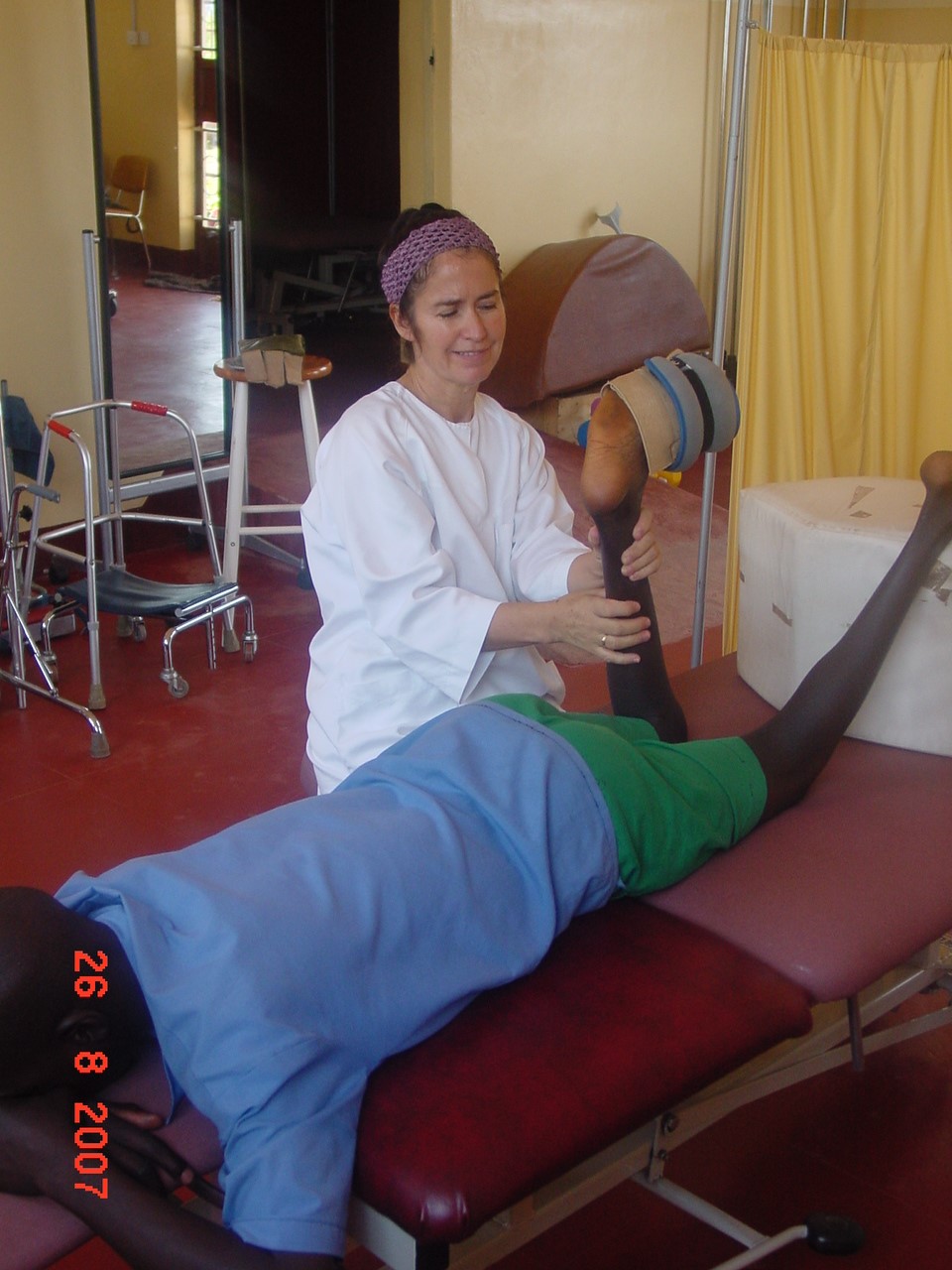
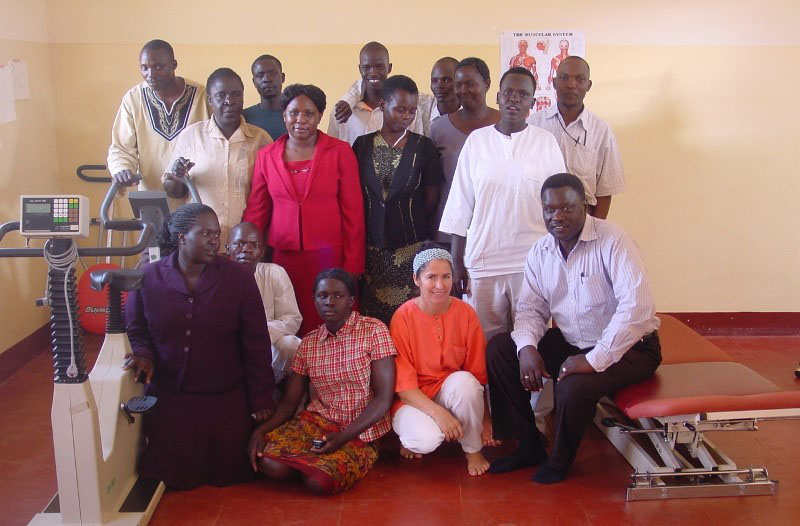
Today, Tabica is being cared for at the **Freidis Rehabilitation and Disable Center (FRDC)**, where children with disabilities receive the holistic, daily support they need to grow, heal, and be seen.
A Difficult Beginning
For a child, the first three years of life are the most formative — the years when movement, coordination, and confidence take root. For Tabica, those years have been shaped by a birth injury she did not choose, and by a condition that affects nearly every part of her young body.
Without specialised, early intervention, children with cerebral palsy often fall further behind their peers and face lifelong consequences. FRDC stepped in to make sure Tabica would not be left behind.
Holistic Care at FRDC
Freidis Rehabilitation and Disable Center wraps Tabica — and the children like her — in a full circle of support that addresses both her needs and the needs of the family caring for her:
Psychosocial treatment: to support the emotional wellbeing of abandoned and disabled children, helping them feel loved, safe, and valued
Provision of basic needs: including food, clothing, and the daily supplies that families on their own often cannot afford
Construction of two-bedroom houses: for disabled children and their caregivers, replacing collapsing huts with safe, dignified, accessible homes
Drilling of borehole wells: for the families of disabled children, ensuring clean water that prevents infection and frees caregivers from long daily walks
Medical treatment: for both the child and the daily-burdened family members who carry the constant weight of caregiving
A Caretaker by Her Side
Behind Tabica stands a devoted caretaker — someone who lifts her, feeds her, bathes her, and walks her through every therapy session. Caring for a child with cerebral palsy is exhausting work that never pauses, and most caretakers do it without recognition or rest.
At FRDC, these caretakers are not left to struggle alone. They receive counselling, training, and the material support that turns full-time caregiving from an unbearable burden into a sustainable act of love.
Why Tabica's Story Matters
Tabica is three years old. She cannot yet tell her own story. But every gentle exercise that strengthens a stiff muscle, every meal she receives, every moment of peace in a safe room — these are the small victories that, added together, give a child like her a chance at a future.
She represents the many children across Northern Uganda whose disabilities began with an injury or illness no one chose, and whose families are quietly being crushed by the daily cost of caring for them. FRDC exists so that none of them are forgotten.
A Continuing Need
Tabica's rehabilitation journey is only beginning. The cost of her therapy, daily needs, and family support continues every single day — and FRDC's ability to keep her at the centre of its work depends on the partners, donors, and volunteers who choose to stand with these children.
If Tabica's story moves you, consider walking alongside FRDC. A three-year-old you may never meet is depending on a community willing to fight for her chance to grow.